
When the Load Hits the Road
Cargo spills can bring high-volume routes to a halt. Traffic stalls, accident risk increases. A failed strap, broken door, or shifted pallet can drop debris across lanes. Drivers brake and swerve, and crash risk rises immediately. Loose freight creates specific hazards: liquids reduce traction, gravel and scrap become projectiles, and boxes break apart into smaller debris. Our I-96 heavy towing team treats the first minutes as the highest-risk window because traffic still approaches at highway speed.
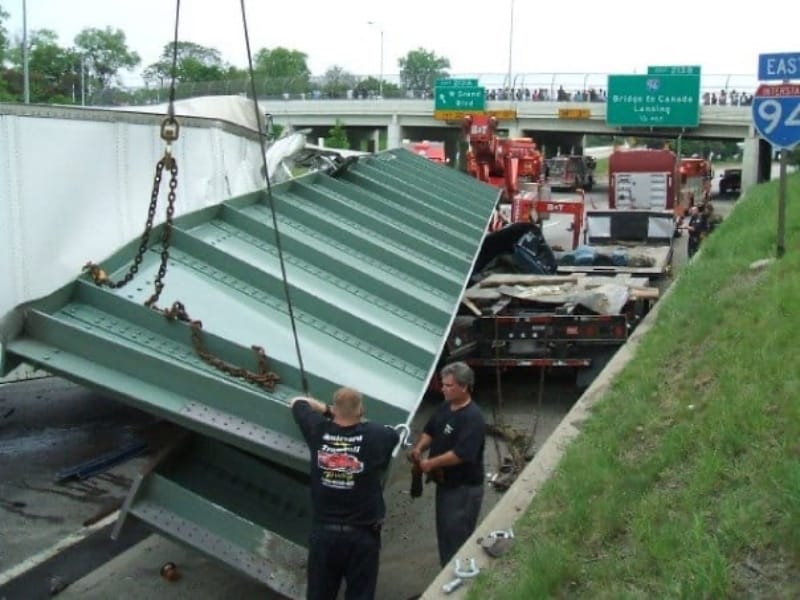
Damage Increases as Vehicles Drive Through the Spill
Cargo on pavement blocks lanes and creates tire and windshield hazards. Debris can damage the road surface and drainage inlets. Continued traffic breaks larger items into fragments that spread farther. We watch for additional risks around the truck or trailer, including unstable loads, damaged doors, and shifting weight that can change center of gravity during recovery.
What We Do First at a Cargo Spill Scene
We Establish a Work Zone and Traffic Plan
Before cleanup starts, we coordinate with law enforcement and other responders on lane control and scene limits. We place trucks to protect the work area and to keep loading and hauling paths clear. On I-96 heavy towing calls, we account for shoulder width, ramp proximity, sight lines, and safe staging locations. A defined work zone reduces secondary crashes and allows crews to work without stepping into live traffic.
We Follow a Consistent Fast-clear Checklist
We use a routine so we don’t miss steps when the spill covers multiple lanes or the debris keeps moving from traffic and wind.
- Confirm what spilled and map the affected area
- Stabilize the truck and trailer before unloading
- Separate recoverable cargo from debris
- Remove large items to open lanes
- Sweep and collect smaller fragments
- Coordinate lane reopening with the scene lead
This order prioritizes lane access, then surface cleanup, then final verification.
Removing Debris and Recover Vehicles All in One Operation
At Boulevard & Trumbull Towing, we respond to cargo spills tied to I-96 heavy towing incidents with recovery and cleanup planned together. We bring equipment sized for the vehicle and load weight, plus support for debris collection and hauling. We clear lanes first by removing the largest obstructions, then we collect smaller material to reduce punctures and loss of control. We keep remaining freight contained so it does not re-enter traffic.
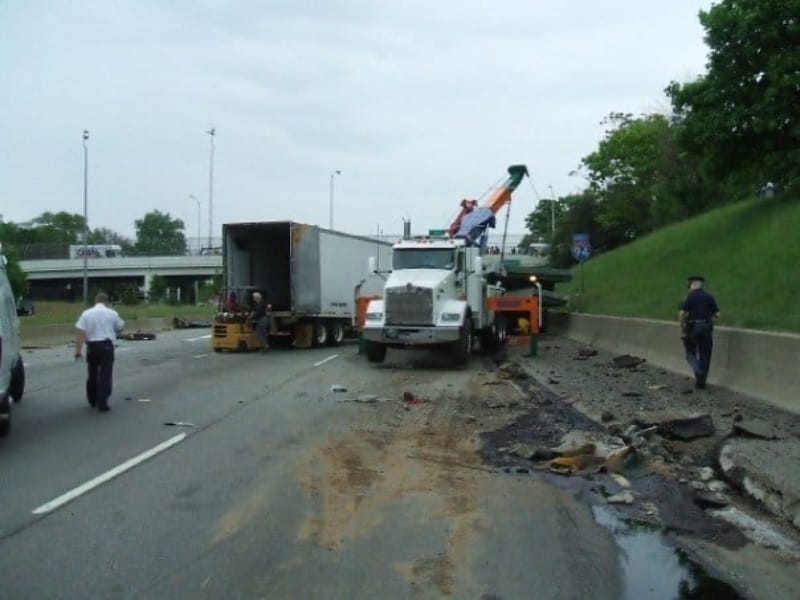
Boulevard & Trumbull Brings a Controlled Approach to I-96 Heavy Towing
When a cargo spill hits the roadway, we move with a clear goal: reduce risk for drivers and get the lane back under control. We take calls for I-96 heavy towing spill scenes because our team knows how to build an organized work zone, protect responders, and prevent cargo from getting struck and scattered. We stay focused on the details that matter on busy highways: where debris spreads, how traffic approaches, and what order keeps the scene stable while we work.
People call us for I-96 heavy towing spill response because we show up ready to manage the whole incident without adding delays. We stabilize the vehicle, secure remaining freight, remove debris, and coordinate lane release with the scene lead. We take community service seriously, so we keep the work direct and disciplined. When I-96 heavy towing incidents leave cargo in travel lanes or on shoulders, count on Boulevard & Trumbull. We get the job done.
FAQ
What should I do first if cargo spills onto a roadway?
Call 911 if there is immediate danger, injuries, or blocked travel lanes. If you are the driver, move to a safe location if you can do so without creating more risk, then notify your dispatcher and your insurance contact. Keep people away from the spill and avoid trying to pick up items in live traffic.
Who is responsible for cleaning up a cargo spill?
Responsibility depends on the situation and local authority direction. The carrier or contractor often arranges recovery and disposal, and roadway agencies may require specific cleanup steps for certain materials. The scene lead, often law enforcement or highway incident management, decides when lanes can reopen.
When does a cargo spill require a professional cleanup crew?
Any spill that blocks lanes, involves heavy freight, creates debris fields, or includes liquids, powders, or sharp materials should be handled by trained crews with proper equipment. If cargo has scattered across multiple lanes or shoulders, professional cleanup reduces the chance of secondary crashes and tire damage.
What information helps a towing and cleanup team respond faster?
Share the type of cargo, approximate quantity, and where it landed, such as lanes, shoulder, ramp, or median. Provide vehicle details, any trailer damage, and whether the load is stable or still shifting. Photos from a safe location can help if authorities allow it.
How do crews decide the order of work during a spill response?
They usually prioritize protecting the scene, then removing the largest hazards that block lanes, then collecting smaller debris. They also secure remaining freight so it does not fall again during recovery or transport. Final steps include surface checks before releasing lanes.
What can fleets do to reduce the chance of a cargo spill?
Use documented load securement checks at pickup and after the first miles, then at regular intervals. Replace worn straps, chains, and load bars on a schedule, and train drivers to spot shifting early. Use clear paperwork on load weight, stacking limits, and blocking requirements so the securement plan matches the freight.