
Your Crash Course for the First 10 Minutes
The first few minutes after a collision can feel disorganized. You may be dealing with traffic, shaken passengers, damaged property, and several people asking questions at once. If the crash eventually requires Detroit accident recovery, the details you gather early can help police, insurers, and towing professionals understand the situation more clearly.
Start by checking yourself and your passengers for injuries and calling 911 when medical help or police assistance is needed. If your vehicle is sitting in a dangerous position, follow instructions from emergency personnel before trying to move it. Stay out of active traffic lanes, and do not approach leaking fluids, smoke, or other hazards. The first priority is making sure everyone is accounted for and away from immediate danger.
Use the Next Few Minutes to Build a Useful Record
Once the scene is stable, begin documenting what you can see. Take photos of the cars, visible damage, surrounding roadway, traffic signs, skid marks, debris, and weather conditions if you can do so from a secure location. Exchange names, insurance details, and contact information with the other driver, but avoid arguing about responsibility at the roadside.
Keep the information simple and factual. A short note on your phone can help you remember what happened later, especially if the scene becomes busy or your adrenaline is still high. Write down the time of the crash, the direction each car was traveling, and anything you noticed immediately before impact. Those details can be useful long after the tow truck has left.
Then Figure Out What the Car Can Actually Do
A car that still starts may not be ready to drive. Bent wheels, damaged tires, leaking fluids, broken lights, steering problems, or body panels rubbing against a tire can make the next trip risky. Drivers arranging collision recovery in Detroit should tell the dispatcher what the car is doing, where it is sitting, and what damage is visible.
Before calling for vehicle recovery around Detroit, gather a few details:
- Exact street, intersection, or nearest landmark
- Make and model of the car
- Whether the car starts
- Whether the wheels appear straight
- Visible fluid leaks
- Whether the car is blocking traffic
- Instructions already given by police
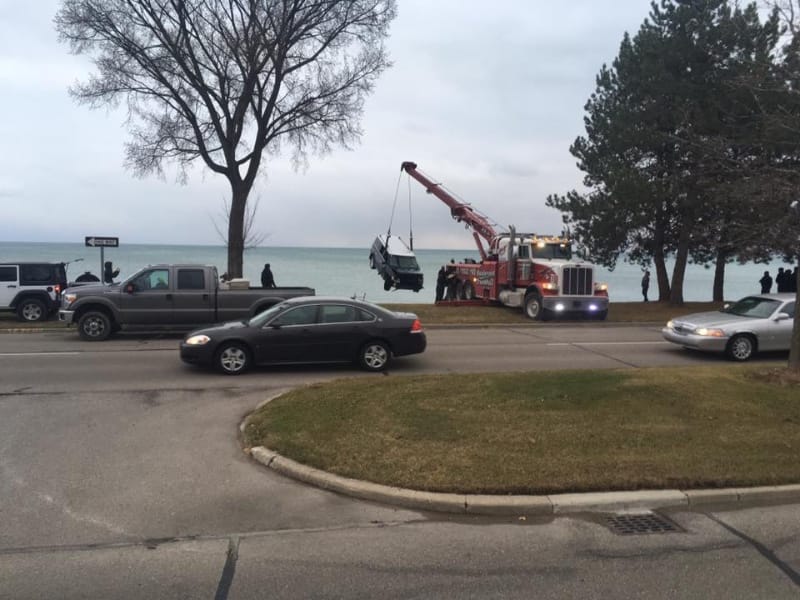
Those details can help with post-accident towing in Detroit and reduce back-and-forth questions during dispatch. If the car has left the roadway, struck a barrier, or ended up in a difficult position, mention that as well. A request for roadside accident recovery near Detroit can involve more planning than an ordinary tow from a parking lot.
Boulevard & Trumbull Towing: Your Accident Recovery Experts in Detroit
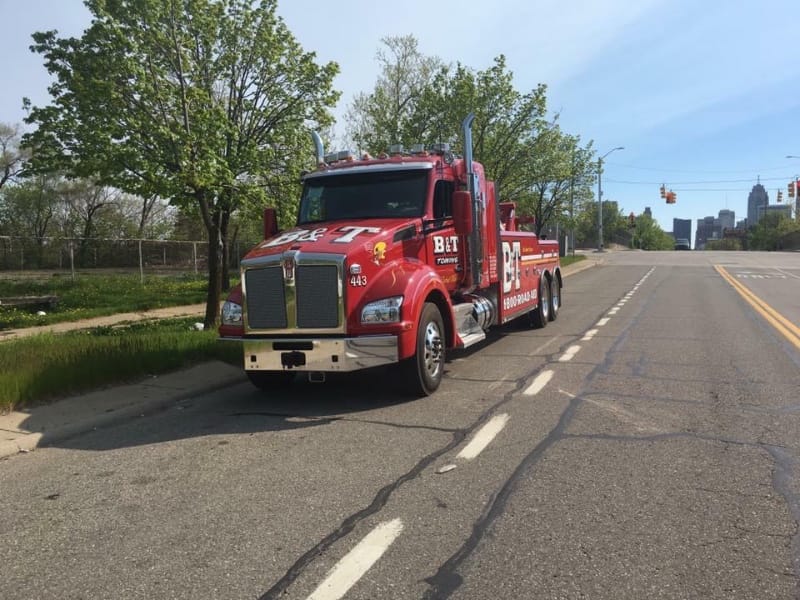
Boulevard & Trumbull Towing has served Metro Detroit since 1979. The woman-owned company provides light, medium, and heavy-duty towing, roadside assistance, hoisting, crane services, and recovery support across Wayne, Oakland, and Macomb counties. Every operator receives extensive training and holds a National TIM Training Certificate, supporting our work in local accident recovery in Detroit and other roadside situations.
Our dispatch team assesses each call and sends equipment and personnel based on the conditions reported from the scene. We also work closely with emergency responders and maintain 24/7 availability for towing, roadside assistance, and recovery. Drivers who need Detroit crash recovery services can contact Boulevard & Trumbull Towing when a collision leaves a car unable to continue its trip.
FAQs
Should I call a tow truck before I call my insurance company?
You can call for towing first if the car needs to be removed or cannot be driven. Insurance reporting can usually follow once the immediate situation is under control.
What if my car is stuck in the middle of an intersection?
Stay inside if getting out would put you in traffic, unless emergency responders tell you otherwise. Call 911 and explain that the vehicle is blocking an active intersection.
Can airbags deploy even if the car does not look badly damaged?
Yes. Airbags respond to impact forces, not just visible exterior damage. A car with deployed airbags should be inspected before being driven again.
Should I accept a tow from the first truck that arrives?
You should know who is towing the car and where it is being taken. If police are managing the scene, ask what towing arrangements apply before agreeing to anything.
What if I cannot find my insurance card after the crash?
Many insurers provide digital proof of insurance through an app or website. You can also contact your insurer directly if you cannot access the information.
Can a collision cause problems that appear later?
Yes. Alignment, suspension, sensors, steering, and other components can be affected even if the car initially seems normal. Have the vehicle inspected if anything feels or sounds different afterward.